Where to Find Authentic Cuban Bread in Aurora CO
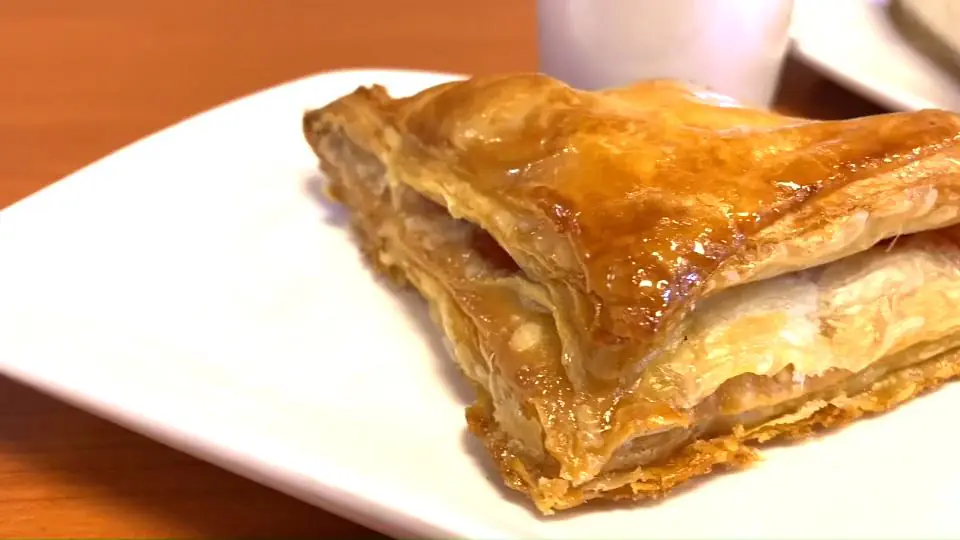
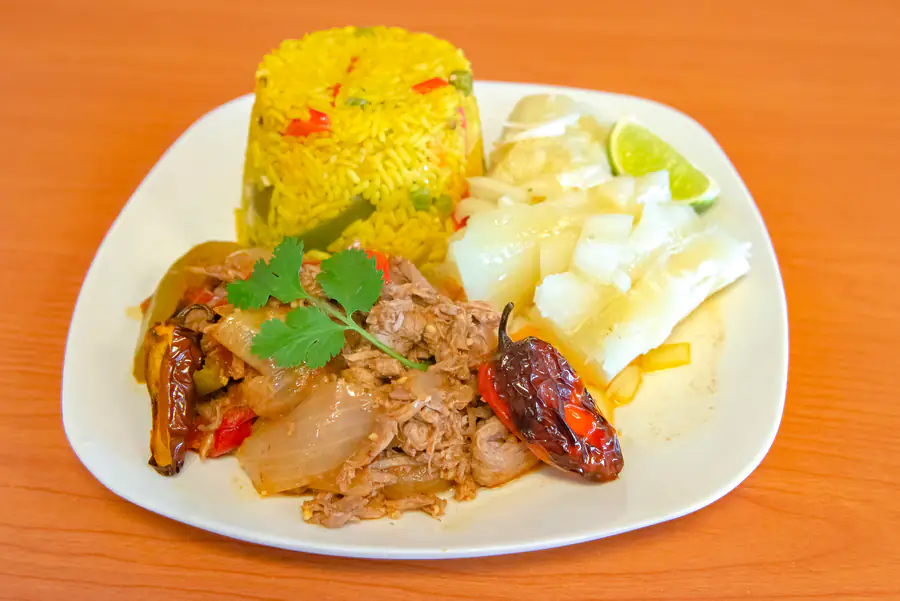
Finding truly authentic Cuban bread in Aurora takes a little patience, a little local knowledge, and a clear idea of what you are actually looking for. That last part matters more than most people realize. Plenty of bakeries sell soft white loaves, split rolls, or sweet Cuban style pastries, but authentic Cuban bread is its own thing. It should be light for its size, crisp on the outside, airy but not cottony inside, and shaped for sandwiches that press well without turning tough. If you have ever had a proper Cuban sandwich made on fresh bread, you know the loaf carries as much of the meal as the roast pork or the pickles.
Aurora is a strong food city, especially for immigrant cuisines and neighborhood bakeries. It is not, however, a city where Cuban bread sits on every corner. That means the search is less about walking into the first panadería you see and more about knowing which businesses are most likely to make it, which ones bring it in, and which ones will only have it on certain days. If you are trying to track down a loaf for a family lunch, a sandwich tray, or simply the taste you remember from South Florida or Tampa, there are a few smart ways to go about it.
What makes Cuban bread authentic
Before talking about where to buy it, it helps to define the target. Cuban bread is not brioche, not a French baguette, and not the enriched sandwich loaves that some supermarkets label as Cuban style. A proper loaf is usually long and pale golden with a thin, delicate crust. The crumb should feel open and springy rather than dense. It should tear cleanly when fresh. The flavor is subtle, usually mild and slightly yeasty, not sweet.
In the classic sandwich shops of Florida, the loaf often has a palmetto leaf strip baked into the top, which helps create the signature split along the crust. You will not always see that detail in Colorado, and its absence does not automatically mean the bread is wrong. What matters more is texture. If the loaf is heavy, sugary, or built like standard bolillo or French bread, it may still make a decent sandwich, but it will not give you the same bite.
That distinction becomes important when you shop in Aurora. The city has excellent Latin American bakeries, but they often specialize in Mexican pan dulce, Central American breads, or savory pastries. Those places are worth visiting, yet Cuban bread is specialized enough that you should ask directly rather than assume it is in the rack with the bolillos.
The most reliable places to start in Aurora
If your goal is authentic Cuban bread in Aurora, start with Cuban restaurants and café counters before you start with general bakeries. Restaurants that make Cuban sandwiches well usually understand the bread issue because the wrong loaf throws off the whole balance. Even when they do not sell full loaves over the counter, they often know who bakes for them, whether they can add an extra loaf to the next order, or whether they receive bread fresh on certain mornings.
This is one of those cases where a two minute phone call can save an hour of driving. Ask whether they bake in house, whether they receive Cuban bread from a local baker, and whether they sell whole loaves. If they do not, ask who supplies them. Smaller independent restaurants will sometimes answer that question more freely than larger chains.
The second place to look is along Aurora’s established international food corridors, especially areas with dense clusters of Latin American businesses. Havana Street is the obvious example. It is one of the strongest dining stretches in the city, and even when a business is not specifically Cuban, shop owners often know one another’s specialties. I have had the best luck in neighborhoods like this by treating the search less like a single stop and more like a short circuit. Go into a bakery, then a butcher, then a café, ask one precise question, and follow the leads. Food communities are often connected in practical ways. The person selling pastries may know exactly which restaurant brings in Cuban bread every Thursday.
The third place to check is specialty grocery stores with in house bakeries or a strong prepared foods section. Some markets that serve Caribbean and Latin customers will carry Cuban bread intermittently, especially before weekends or holidays when families are buying sandwich ingredients in volume. The key word there is intermittently. Inventory can be inconsistent. A store may stock it one week and not the next, or only bring in a few dozen loaves that sell out by late morning.
Why timing matters more than the address
With Cuban bread, freshness is not a luxury. It is the whole point. A loaf that came out of the oven a few hours ago has a fragile crust and a moist, airy interior. By the following day, even a very good loaf begins to lose what made it special. That is not a criticism of the baker. It is just the nature of the bread.
That is why people sometimes think they have never had good Cuban bread in Colorado when the real problem is timing. They bought it at 4 p.m. After it had been sitting all day, or they bought a loaf that was delivered the previous afternoon. If you are serious about getting the real thing in Aurora, shop early. Morning is best, especially Thursday through Sunday, when many small bakeries and restaurants prepare for heavier sandwich traffic and family gatherings.
Call ahead and ask one practical question: “What time is the bread freshest?” You will often get a better answer than if you ask whether the bread is “authentic,” because authenticity means different things to different sellers. Freshness is concrete. They can tell you when it arrives, when it comes out of the oven, or whether it is only available on weekends.
How local bakers and restaurants usually handle Cuban bread in Colorado
In South Florida or Tampa, you can find dedicated Cuban bakeries where the bread is a daily staple. In Aurora and the wider Denver metro, the system is often more patchwork. Some restaurants bake in house. Some buy from a local wholesale bakery. Some adapt another loaf to stand in when supply is short. The result is that quality can vary sharply even within a small radius.
That may sound discouraging, but there is a hidden advantage. Because Cuban bread is more niche here, the places that care enough to do it right usually care a lot. They know they are serving customers with strong expectations. They know the difference between a loaf that merely looks right and one that presses into a proper sandwich with a crisp shell and soft center. When you find a place like that, it is worth building a relationship. Regulars tend to hear first about preorder options, holiday baking, and the days when extra loaves are available.
I have seen this pattern in many regional food scenes. Scarcity can either flatten quality or sharpen it. With Cuban bread in Aurora, both exist. Some businesses will sell a workable substitute because demand is small and most casual customers do not know the difference. Others will guard the quality fiercely because they do know the difference. Your job is learning which is which.
What to ask before you drive across town
A few direct questions can tell you almost everything you need to know. Keep them short and specific.
- Do you sell whole Cuban bread loaves, or only sandwiches?
- Is the bread baked in house or brought in from another bakery?
- What days do you usually have it?
- What time does it tend to sell out?
- Can I reserve one or two loaves for pickup?
Those five questions will quickly separate places that truly handle Cuban bread from places that are guessing. A confident answer is a good sign. Vague language like “we have sandwich bread that is similar” usually means it is not what you are after.
Signs that a bakery or restaurant is worth your time
There are a few clues I pay attention to when looking for region specific breads in a city where they are not universal.
First, look at the sandwich itself. If a restaurant sells a Cuban sandwich on thick, chewy bread with an oversized crust, the loaf is probably an afterthought. A well made Cuban sandwich should press evenly, cut cleanly, and crackle a little at https://telegra.ph/A-Taste-of-Cuba-Awaits-at-a-Bakery-in-Aurora-CO-10-29 the edges without shattering.
Second, notice how staff talk about the bread. People who work with it regularly tend to answer in practical, bakerly terms. They might tell you the truck comes on Friday mornings, or that the loaves are best before noon, or that they can set one aside. That kind of detail usually comes from real handling, not marketing.
Third, check the customer mix and the speed of turnover. Bread sitting untouched in a case all day is rarely your friend. A small bakery with steady traffic, especially from customers buying multiple loaves or sandwich fixings, is often a better bet than a polished shop with beautiful displays and slow movement.
Finally, trust texture over labels. A sign can say “pan cubano” and still lead to a loaf that is too sweet or too dense. If the bakery will let you handle or inspect it, look for lightness and a thin crust.
The Aurora search strategy that works best
If I were trying to find the best Cuban bakery Aurora CO residents could rely on for bread, I would not begin with a broad internet search and hope for perfect listings. Online menus are often outdated, and many independent bakeries are underrepresented online. Instead, I would work in a small radius and stack information.
Start with a couple of Cuban or Caribbean leaning restaurants in Aurora and ask about their bread source. Then stop into one or two Latin bakeries nearby and ask whether they make Cuban bread or know who does. Follow that with a specialty grocery. Within an hour, you usually have a map of the local supply chain.
This kind of ground level search works especially well in Aurora because the city’s food economy is relational. Many of the best leads come person to person. A cashier may point you to a bakery across town. A restaurant owner may tell you to call on Friday because that is when the fresh order lands. Someone at a market may say, quite casually, “Ask for the long loaf behind the counter.” Those details rarely show up in search results.
When Aurora comes up short, look just beyond it
There will be weeks when your best Aurora lead is out, sold out, or not baking that day. When that happens, widen the search to the greater Denver area rather than settling too quickly for a substitute. Aurora’s strength is its access. A solid Cuban bakery or wholesale baker just outside city lines may still be an easy pickup if you time it well.
What matters is not the municipal boundary, it is the freshness window. If a bakery in a nearby part of metro Denver bakes that morning and you can be there before lunch, that loaf will almost always beat a mediocre local option that has been sitting around. If you plan to make sandwiches for a gathering, this is often the smarter move. Buy enough for the day, keep the loaves in paper rather than plastic while you travel, and press the sandwiches not long before serving.
There is a practical trade off here. Driving farther for bread makes sense if the bread is central to the meal. If you are hosting a proper Cuban sandwich lunch, the extra twenty or thirty minutes is worth it. If you just want a side loaf for dinner, maybe not. Good judgment in food shopping often comes down to knowing which ingredient carries the meal. In a Cuban sandwich, the bread absolutely does.
What authentic Cuban bread should feel like at home
A lot of buyers second guess themselves once they get the loaf home. They tap the crust, squeeze the sides, and wonder if it is too soft. Cuban bread is supposed to be softer than many people expect, especially compared with a baguette. The crust should be thin and delicate rather than aggressively hard. The loaf should feel light in the hand. If you cut into it and see a fine, airy crumb with enough structure to hold fillings, you are in good shape.
For sandwiches, slice it horizontally with a gentle hand, spread mustard to the edges, and avoid overstuffing. This is where good bread earns its keep. It should compress under a press without collapsing into paste. A mediocre loaf either stays too stiff and tears, or turns gummy at the center.
If you are not using the bread immediately, store it at room temperature in paper for the same day. Plastic softens the crust too much. Refrigeration stales it. If you must hold it until the next day, wrap it well and refresh it briefly with heat, but understand that fresh is still the benchmark.
A note on authenticity versus adaptation
It is worth saying plainly that authenticity in regional bread is not always all or nothing, especially outside its home geography. Colorado’s altitude, flour sourcing, humidity, and production scale all affect the final loaf. A baker in Aurora can be deeply respectful of Cuban tradition and still produce a loaf that differs slightly from one in Miami or Tampa. That does not automatically make it inauthentic. Good bakers adapt to local conditions.
The real question is whether the loaf preserves the essential character of Cuban bread. Does it stay light? Does it have the right crust? Does it work for the sandwich it was built for? Does it taste like a purposeful bread rather than a generic white roll? Those are the standards that matter.
I have eaten excellent regional breads far from their original homes, made by bakers who understood the spirit of the product and adjusted with skill. I have also eaten loaves in “authentic” settings that missed the mark because they were stale or carelessly handled. Geography matters, but craft matters more.
How regular buyers get the best bread
Once you find a source you trust, stop treating it like a one off errand. Ask about preorder habits. Many small businesses are happy to hold bread if they know you will show up. Some will set aside loaves for holidays, game days, or family gatherings if you give them enough notice. That matters because Cuban bread can disappear quickly once a lunch rush starts.
It also helps to buy with purpose. If the staff sees that you are making sandwiches for a party or coming back every other week, they are more likely to remember you and offer useful information. The food world still runs on relationships, especially in neighborhood businesses. A regular customer who values the bread tends to get the most accurate answers about when to come in and what is worth buying.
The practical bottom line for Aurora shoppers
If you are searching for authentic Cuban bread in Aurora, do not expect the process to look like buying a standard grocery loaf. The best path is targeted and a bit old school. Start with Cuban restaurants that take their sandwiches seriously. Check Latin bakeries in Aurora’s busy international corridors, especially around Havana Street and nearby commercial pockets with strong immigrant food businesses. Look at specialty grocery stores that may bring in loaves before the weekend. Shop early, ask direct questions, and reserve bread when possible.
That is the reality of the Cuban bakery Aurora CO search. The city gives you access, but not always instant certainty. The reward is that once you find the right source, you can get bread that makes the whole meal snap into focus, crisp edges, soft center, the right press, the right chew, the right memory. And when bread does that, it is no longer just an ingredient. It is the reason the sandwich works at all.
Cuba Bakery & Café
15028 E Mississippi Ave, Aurora, CO 80012
+1 303-752-2822
FAQ About Cuban bakery Aurora CO
What are Cuban pastries called?
Many small Cuban pastries are called pastelitos. They can have sweet or savory fillings, such as guava, cheese, guava and cheese, or seasoned meat. Cuba Bakery & Café lists guava, cheese, guava-and-cheese and beef pastries on its menu. Ask the bakery about current availability and ingredients when ordering.
What are traditional Cuban pastries?
Common Cuban bakery choices include flaky pastelitos filled with guava, cheese or meat. Cuban bakeries may also offer empanadas, breads and desserts alongside coffee. Cuba Bakery & Café lists pastelitos, several empanada fillings, pan Cubano and desserts such as tres leches and bread pudding. Selection can vary, so confirm the day's choices with the bakery.
What makes Cuban bread different?
Cuban bread is known for its light interior and a thin crust that becomes crisp when toasted or pressed. Traditional recipes often use lard, although ingredients vary by baker. It is commonly served as buttered toast or used for Cuban sandwiches. Cuba Bakery & Café lists pan Cubano and tostada on its menu; ask staff about the ingredients in their bread if you have dietary restrictions.