Planning Dinner at a Southern Restaurant in Pittsburgh, PA
Choosing where to have dinner sounds simple until the meal actually matters. Maybe you are setting up a date night, hosting relatives from out of town, lining up a client dinner, or just trying to get a table for friends without spending half the evening standing on a sidewalk. A southern restaurant in Pittsburgh, PA can be a strong choice for any of those situations, but it helps to plan with a little care. Southern food tends to be generous, comforting, and social. It invites people to linger. That is part of its appeal, and also part of the reason details like reservation timing, menu style, noise level, and parking matter more than people expect.
Pittsburgh has the kind of dining landscape that rewards a bit of homework. Neighborhoods feel distinct. Traffic changes quickly depending on the bridge, the weather, and whether there is a game in town. Dining rooms can swing from quiet and polished on one night to packed and boisterous on the next. Southern cooking itself also covers a lot of ground. One restaurant may lean into fried chicken, biscuits, mac and cheese, and greens. Another may push toward Lowcountry seafood, bourbon cocktails, and more refined plating. If you go in with a loose idea of what you want and no plan for the practical pieces, dinner can still be good, but it may not feel as effortless as you hoped.
Start with the kind of evening you actually want
Before you compare menus or scan online photos, get clear on the shape of the night. This is the part many people skip. They search for a southern restaurant Pittsburgh, PA, click the place with the best-looking cornbread, and stop there. The better approach is to decide what success looks like first.
If you are planning a relaxed dinner with close friends, a lively room can be a plus. Shared sides, a round of cocktails, and a dessert to split fit naturally in that setting. If this is a business meal or a first meeting with someone you want to impress, a quieter dining room and a more polished service style tend to serve you better. Southern food has a built-in warmth, but that does not mean every southern restaurant feels casual. Some lean rustic and energetic. Others feel almost formal once the sun goes down.
Think about pace, too. There are evenings when you want a full dinner, maybe with appetizers and a drink before the entree. There are other nights when you need to eat well and be out in ninety minutes because you are heading to a show, a game, or an early morning the next day. Southern restaurants often prepare dishes that are made to order and served hot for a reason. Fried items do not wait gracefully. Biscuits and skillet dishes are best at their peak. If your timing is tight, the plan should reflect that.
Southern food means different things to different diners
One of the easiest ways to choose well is to know what your group expects when they hear “Southern.” It is a broader category than many diners realize. Some people want classic comfort food, the kind of meal that arrives with crunchy fried chicken, fluffy biscuits, creamy grits, and collard greens cooked low and slow. Others are hoping for seafood, smoked meats, shrimp and grits, pimento cheese, or a bourbon-driven drinks list. Some are really after hospitality and atmosphere as much as any one dish.
This matters because disappointment usually comes from mismatched expectations, not bad cooking. I have seen perfectly good restaurants lose a table before the entrees even hit because one guest expected a home-style platter and another expected a chef-driven tasting of regional dishes. Both assumptions were reasonable. Neither matched the room they were in.
When you are planning dinner, read the menu with an eye for style, not just for what sounds delicious. Are most entrees classic and hearty, or lighter and more contemporary? Are sides built for sharing? Is the dessert list nostalgic and familiar, or restaurant-polished and seasonal? The clues are usually there.
Location can shape the whole meal
Pittsburgh is a city where geography affects mood. Two restaurants may be only a few miles apart and feel worlds away based on the neighborhood, parking, and what else is happening nearby. If you are coordinating a group, this can matter as much as the menu.
Downtown works well when people are coming from different directions, especially if the dinner is tied to an event. It can also be the easiest option for visitors staying in hotels. The trade-off is cost and congestion. Depending on the night, parking can feel less convenient than it looked on the map, and post-work traffic can stretch a short drive into a longer one.
Neighborhood dining often gives you more character and a stronger sense of place. That can be ideal for a southern meal, especially if you want the evening to feel relaxed rather than transactional. Still, those areas can come with tighter street parking, smaller dining rooms, and reservation times that are harder to move once they are set. If someone in your party has mobility concerns, this is worth checking in advance. A charming block loses its charm quickly when your guest has to walk uphill in dress shoes from a distant parking spot.
Weather also deserves more respect than people give it. Pittsburgh rain has a way of changing plans fast, and winter can make a five-minute walk feel much longer. If your ideal restaurant has outdoor seating or requires a bit of a walk from the garage, have a backup thought in mind.
Reservations are not just about securing a table
A reservation should solve problems, not just hold space. When you book, think beyond party size and time. The useful questions are practical. Is the table needed for a celebration? Will anyone arrive late? Are you hoping for a quieter area? Will you likely linger over drinks, or do you need a quicker turn because of a showtime?
The best reservations come with context. Restaurants can only help with what they know. If you are planning an anniversary dinner, mention it. If one guest has a shellfish allergy and another avoids pork, mention that too. Southern menus often include ingredients that are easy to overlook if you are not used to them. Greens may be seasoned with pork. Rice dishes may involve stock or sausage. A server can usually guide you well, but it is easier for everyone when the kitchen is not surprised at the table.
If you are making dinner plans for six or more people, ask how the restaurant handles larger parties. Some places naturally shine with groups because the menu encourages sharing and the room has enough space between tables to keep conversation comfortable. Others feel cramped once extra chairs are added. I have watched many birthday dinners go sideways because the host thought “table for eight” meant a generous setup, when the reality was two small tables pushed together in the busiest part of the room.
Here are a few smart questions worth asking when you book:
- Is there a quieter section of the dining room for conversation?
- Are larger parties offered one check, split checks, or limited check splitting?
- Does the kitchen accommodate common dietary restrictions with advance notice?
- Is there validated parking nearby, or a garage the staff recommends?
- If your plans shift, how late can you modify the reservation?
Those five questions can save you from most avoidable headaches.
Build the budget before you sit down
Southern food can read as casual on paper, but the final bill often climbs faster than diners expect. That is not a criticism. It is simply the nature of the meal. Starters are tempting, sides matter, cocktails are often central to the experience, and desserts tend to be hard to skip. A two-person dinner that sounds moderate at first can stretch once you add drinks, tax, and tip.
The safest way to plan is to estimate in layers. Start with entrees. Then add one shared appetizer or side for every two people. If the group enjoys drinks, assume at least one round before dinner and possibly another during the meal. Dessert depends on the occasion, but if you are celebrating, it is smart to expect it rather than pretend it will not happen. I have yet to see a table order biscuits, fried chicken, and bourbon cocktails and then leave because they suddenly became restrained people.
If you are hosting others, this matters even more. Clarify whether you are treating, splitting evenly, or letting each person cover their own meal. Southern restaurants often encourage communal ordering, which is great socially and messy financially when expectations are vague. It is far easier to handle that conversation before anyone orders an extra side of lobster mac and cheese.
Match the menu to the people at the table
The strongest dinner plans consider appetite, not just taste. Southern cooking can be rich and deeply satisfying, which is exactly why people love it. It is also why the wrong ordering strategy can leave a table overfull before the mains arrive.
For a couple, ordering a starter and two entrees is often enough unless you know you want dessert and leftovers. For a group, balance matters. If everyone orders heavy entrees and then adds multiple sides “for the table,” you can end up with too much food and a sluggish second half of the evening. On the other hand, some southern menus are built around sides, share plates, and add-ons, so skipping them entirely can mean missing part of what the restaurant does best.
A little judgment goes a long way. If the group is coming in hungry after a long day, give them biscuits or a first course quickly. If one person is a light eater and another is ready for a full comfort-food feast, pick a place with enough range that no one feels awkward. If your dinner includes older relatives, do not assume they want the noisiest, trendiest room in town just because the menu is exciting. Good planning is not about making the “best” choice in the abstract. It is about making the best choice for these diners on this night.
Timing changes the experience more than most diners realize
A southern restaurant can feel like two different places depending on when you go. Early reservations tend to give you easier parking, more attentive pacing, and a slightly calmer room. Prime dinner hours offer stronger energy, fuller rooms, and often a more festive feel. Late reservations can be surprisingly enjoyable if your group likes a looser pace, but they are less forgiving if anyone is tired or hungry.
If you have children with you, the timing question becomes even more important. Southern food is often family-friendly in flavor, but that does not mean every dining room is child-friendly in practice. A reservation around the earlier edge of dinner service usually works best. Kitchens are fresh, waits are shorter, and younger diners are less likely to unravel halfway through a delayed entree.
For adults-only dinners, the opposite may be true. A seven-thirty or eight o’clock reservation can create a more complete evening, especially if cocktails are part of the plan. The room settles into itself. The staff is in rhythm. If you want atmosphere, not just efficiency, a slightly later table can help.
Drinks deserve their own thought
Southern menus often pair naturally with cocktails, wine, beer, or spirit-forward after-dinner pours. Bourbon is the obvious anchor in many places, but not every guest wants whiskey, and not every restaurant handles nonalcoholic options with equal care. If drinks matter to your group, look at that menu before you book.
A good beverage program does more than provide choices. It shapes pacing. A strong cocktail list can turn dinner into an event. That is great when you want to linger. Less great when half the table expected to be out the door in an hour. If one person in your party does not drink, it is worth checking whether the restaurant offers thoughtful zero-proof drinks rather than just soda and iced tea. Hospitality shows up in those small details.
There is also a practical side. Rich food and strong drinks can be a heavy combination. If your group plans to explore more of the city afterward, or if several people are driving, set a tone early. Order deliberately. A crisp beer with fried chicken feels different from two rounds of bourbon cocktails and a dessert pour, even if the meal itself is the same.
Special occasions need a little structure
Birthday dinners, anniversaries, promotions, reunion meals, and holiday gatherings all come with extra pressure. People remember them longer, and the smallest friction points feel larger. The easiest fix is to make a few decisions before you arrive.
Know who is bringing the cake, if there is one. Know whether gifts or cards will be opened at the table. Know who is paying. Know whether the guest of honor likes attention or would rather avoid a public dessert presentation. Those details sound small until a server appears with candles for someone who hates being sung to by a roomful of strangers.
If you are organizing a larger celebration, here is a short planning sequence that works well:
- Choose the neighborhood first, based on your guests’ travel and parking needs.
- Confirm the restaurant’s reservation policies before inviting everyone.
- Review the menu for dietary issues and price range, then share key details with the group.
- Call the day before to reconfirm the party size and any special requests.
- Arrive a few minutes early so the table starts smoothly.
That level of structure is not fussy. It is what makes the evening feel easy.
Service style matters as much as the cooking
People often focus on food and overlook service until something goes wrong. For dinner plans, especially in a city setting, service style can make a solid meal feel excellent or frustrating. Some southern restaurants deliver a warm, conversational rhythm. Staff check in naturally, guide first-timers through the menu, and pace the meal with confidence. Others move faster or more casually. Neither approach is inherently better, but they create different nights.
If your group includes out-of-town guests, older family members, or clients, the value of polished service goes up. You want a place where questions are answered cleanly, dietary needs are handled seriously, and pacing feels intentional. If the dinner is a low-key gathering among friends, a more relaxed style can be perfect. The room may be louder, the timing looser, and the interaction more informal, but that may be exactly the point.
A useful clue is how the restaurant communicates before you even arrive. Are reservation calls clear? Are questions answered directly? Does the menu online https://ricardojrur478.trexgame.net/the-appeal-of-southern-restaurant-pittsburgh-pa-for-local-diners seem current and readable? Restaurants that are organized up front tend to stay organized when the dining room fills.
Dietary needs and edge cases should never be an afterthought
Southern cuisine can be more adaptable than people assume, but only if you ask early. Vegetarian diners, gluten-sensitive guests, and people with allergies can all have good meals in the right place. They can also have a rough time if the menu is built around flour, frying, shellfish, pork seasoning, and dairy-heavy sides.
The worst move is staying quiet until the server appears with water. By then, everyone is trying to relax and order. The better move is to check the menu in advance, call if needed, and walk in knowing whether the restaurant can accommodate the table comfortably. That is especially important for guests with celiac disease, severe allergies, or religious dietary rules. “We should be fine” is not a plan.
There is also the question of appetite and health. Southern dinners are often indulgent. If someone in your party prefers lighter food, make sure the menu gives them a real entree option rather than a sad side salad and a compromise. A restaurant does not need to be everything to everyone, but your reservation should fit the group you actually have.
The best dinner plans leave room for the human part
A well-planned meal should not feel overmanaged. The point is not to script every course. The point is to remove enough friction that people can enjoy each other. Southern dining, at its best, has a generosity to it. The meal lands hot. The table fills quickly. Someone passes biscuits. Another person insists the collard greens are better than expected. A round of laughter breaks out because one guest ordered “just one side” and it arrived in a bowl big enough for four.
Those are the moments people remember, and they happen more easily when the basics are handled. The table is ready. The room suits the occasion. The menu fits the diners. The bill does not surprise anyone. Getting dinner right is rarely about chasing perfection. It is about making smart choices that support the kind of evening you want.
If you are searching for the right southern restaurant in Pittsburgh, PA, think like a host, even if you are only booking for two. Consider the neighborhood, the pace, the budget, the menu style, and the people at the table. Good Southern food can carry a night on its own, but great dinner plans come from matching that food to the right setting and the right expectations. When you do that, the meal feels less like a reservation and more like a night people are glad they made time for.
Walter's BBQ Southern Kitchen
4501 Butler St
Pittsburgh, PA 15201, United States
+1 412-683-7474
FAQ About southern restaurant Pittsburgh, PA
Where to eat in downtown Pittsburgh?
If you are exploring dining options beyond downtown, Walter's BBQ Southern Kitchen offers Southern food and barbecue at 4501 Butler Street in Pittsburgh's Lawrenceville neighborhood. It is outside downtown, so allow travel time when planning your visit.
What is a must eat in Pittsburgh?
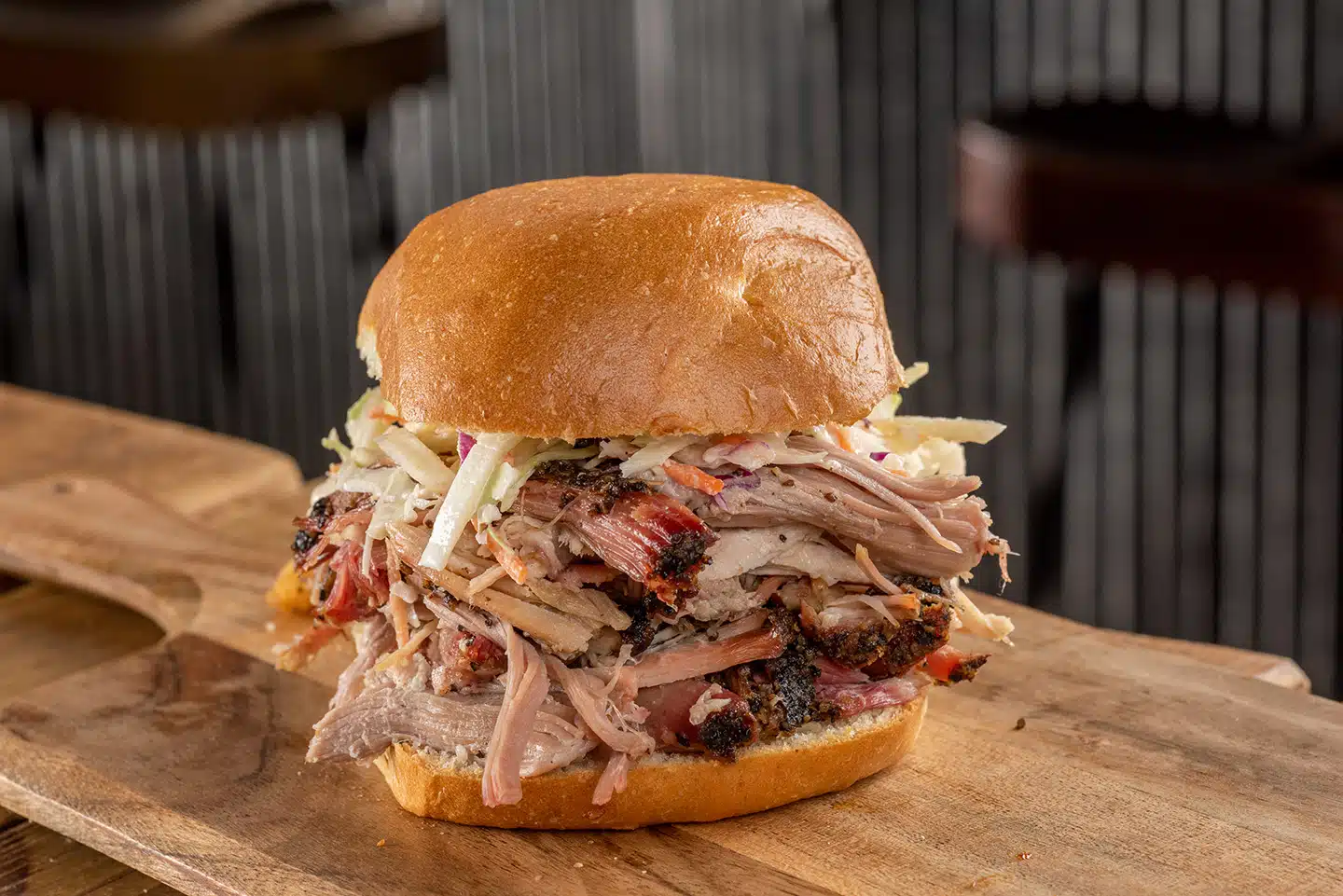
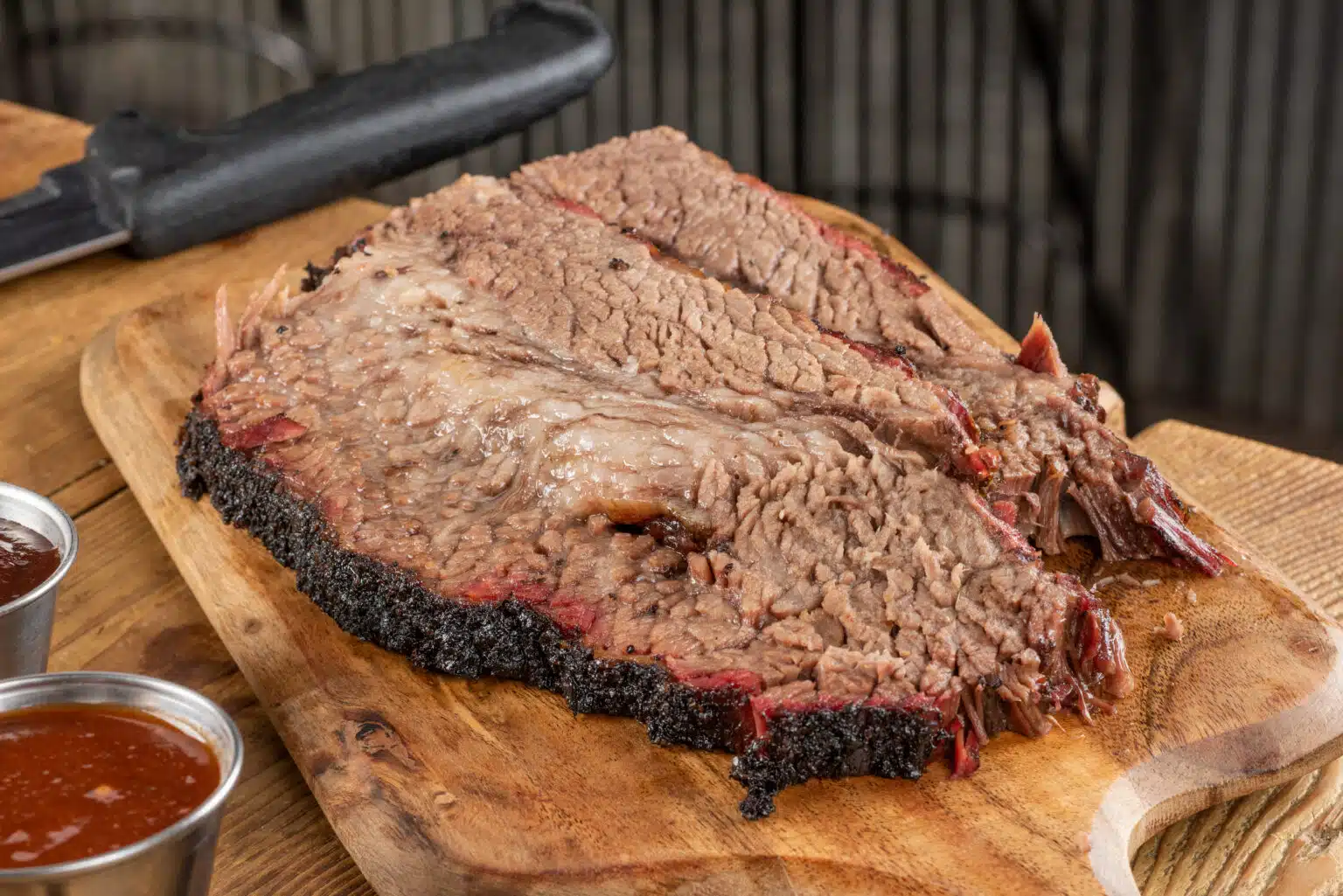
For diners interested in Southern flavors, smoked brisket, ribs, fried chicken, and chicken and waffles are dishes to consider. Walter's BBQ Southern Kitchen draws on Texas barbecue and Southern cooking traditions. Check the current menu for the dishes available during your visit.
What are some of Pittsburgh's unique restaurants?
Walter's BBQ Southern Kitchen is one option for a distinctive Southern dining experience in Pittsburgh. Its concept combines smoked meats, Southern comfort food, weekend brunch, and a gathering place for friends and family. The restaurant is located on Butler Street in Lawrenceville.